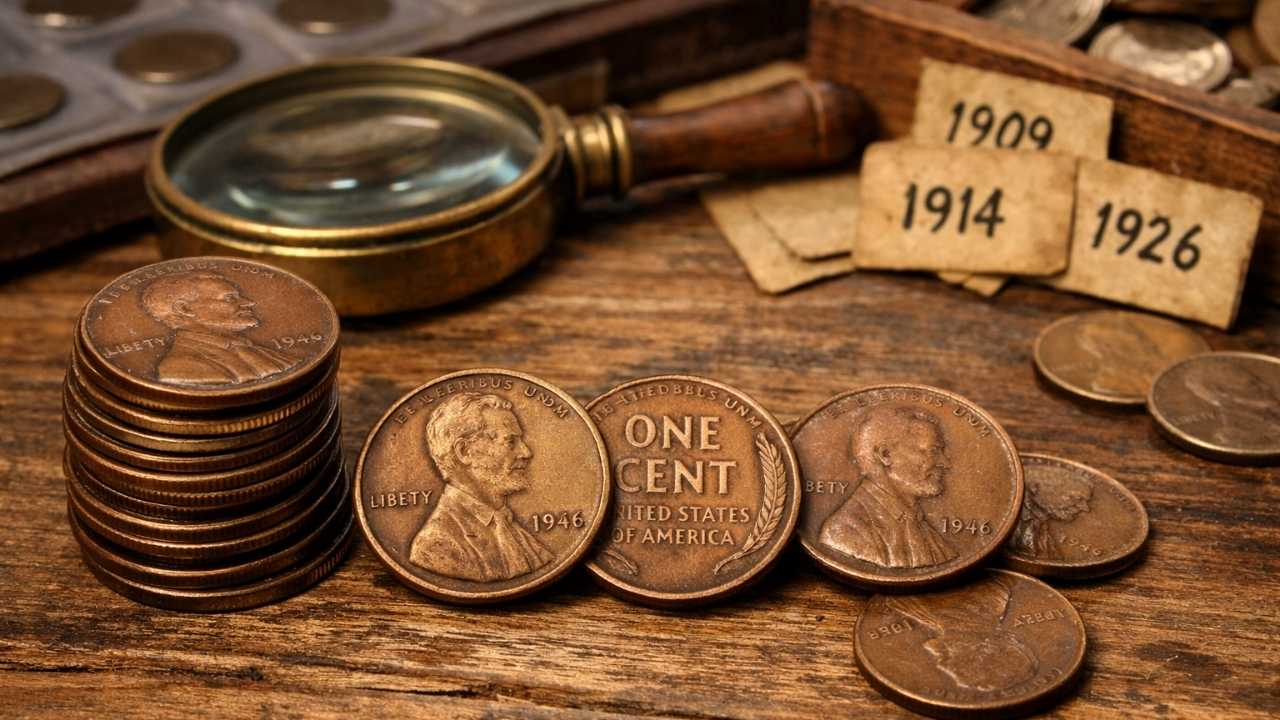
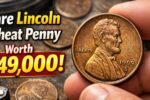
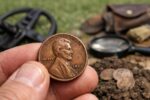
The Value of Wheat Pennies by Year: Wheat Pennies, minted from 1909 to 1958, are among the most cherished coins in American numismatics. They feature Abraham Lincoln on the obverse and two wheat stalks on the reverse, symbolizing prosperity and agricultural strength. For collectors, these coins are more than currency; they are tangible pieces of history that connect us to the early and mid-20th century.
Understanding the value of Wheat Pennies by year is essential for collectors. Some are common and worth only a few cents, while others are rare treasures valued in the hundreds or thousands of dollars.

Factors That Determine Value
Several factors influence the value of Wheat Pennies:
- Year and mint mark, which determine rarity.
- Condition, with uncirculated coins commanding higher prices.
- Errors and varieties, which can make certain coins exceptionally valuable.
- Historical context, adding sentimental and collectible appeal.
Year-by-Year Value Highlights
Below is a table summarizing key Wheat Penny values by year. Values are approximate for coins in average circulated condition. Higher grades can be worth significantly more.
| Year | Mint Mark | Notable Feature | Approximate Value |
|---|---|---|---|
| 1909 VDB | None | Designer initials | $10–$20 |
| 1909-S VDB | S | Rare, initials visible | $700–$1,000 |
| 1914-D | D | Scarce Denver issue | $150–$300 |
| 1922 No D | None | Missing mint mark | $500–$900 |
| 1931-S | S | Low mintage | $75–$150 |
| 1943 Steel | None/D/S | Wartime steel issue | $0.50–$5 |
| 1943 Copper | None | Extremely rare | $100,000+ |
| 1955 | None | Famous doubled die | $1,000+ |
| 1958 Doubled Die | None | Rare variety | $5,000+ |
This table highlights the most notable years, but every Wheat Penny has some collector value. Common dates from the 1940s and 1950s often sell for a few cents to a dollar, depending on condition.
The Early Years: 1909 to 1919
The first decade of Wheat Pennies is particularly exciting. The 1909-S VDB is legendary, with only 484,000 minted. Other early dates like 1914-D and 1917 doubled die obverse are highly sought after. These coins reflect the transition into modern coinage and the growing popularity of Lincoln’s image on currency.
The 1920s and Scarcity Issues
The 1920s brought lower mintages and fascinating varieties. The 1922 No D penny, struck in Denver, is one of the most famous errors. Collectors prize it for its rarity and the mystery surrounding its production. Coins from this decade are generally harder to find in high grades, adding to their appeal.
The 1930s and Depression-Era Pennies
During the Great Depression, coin production slowed. The 1931-S is notable for its low mintage of just 866,000, making it one of the scarcest Wheat Pennies. Despite economic hardship, these coins circulated widely, carrying stories of resilience and survival.

Wartime Pennies of the 1940s
World War II brought unique changes to coinage. In 1943, copper was needed for the war effort, so pennies were struck in steel coated with zinc. These steel cents are easy to spot due to their silver-gray color. A few copper pennies were mistakenly struck in 1943, and they are among the rarest coins in existence, valued at over $100,000.
The 1940s also produced many doubled die varieties, adding intrigue for collectors.
The 1950s and the End of the Wheat Design
The final decade of Wheat Pennies saw large mintages, making most coins common. However, the 1955 doubled die remains one of the most famous error coins in U.S. history. The 1958 doubled die obverse is another rarity, with only a handful known.
In 1959, the reverse design changed to the Lincoln Memorial, ending the Wheat Penny era. This transition marked the close of a chapter in American coinage.
Collecting Strategies
Building a complete set of Wheat Pennies from 1909 to 1958 is a popular goal. Collectors often use albums with slots for each year and mint mark. Strategies include:
- Starting with common dates to build momentum.
- Saving for key rarities like the 1909-S VDB and 1914-D.
- Seeking coins in higher grades for long-term value.
- Watching for varieties and errors that add uniqueness.
Sentimental and Historical Value
Beyond monetary worth, Wheat Pennies carry sentimental value. They were used during pivotal moments in U.S. history, from the Depression to World War II. Each coin is a tangible link to the past, passed through countless hands before reaching collectors today.
Conclusion
Wheat Pennies remain timeless treasures, offering both historical significance and collectible value. Whether you are searching for rare varieties or simply enjoying the thrill of finding one in circulation, these coins provide endless fascination.
A complete year-by-year guide helps collectors understand which coins are common and which are rare gems. From the legendary 1909-S VDB to the wartime steel cents and doubled die varieties, Wheat Pennies tell the story of America in the first half of the 20th century.