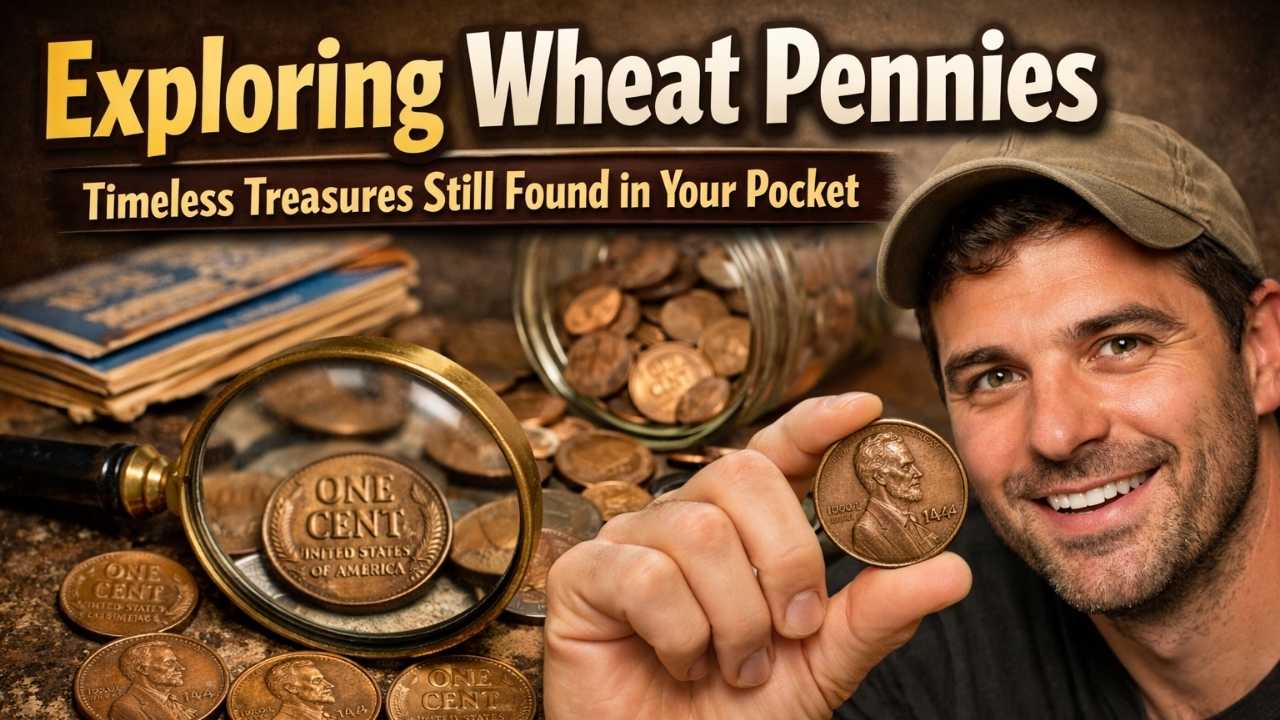
Exploring Wheat Pennies: The Wheat Penny, officially known as the Lincoln cent, was first minted in 1909 to commemorate the 100th anniversary of Abraham Lincoln’s birth. It was the first regular-issue coin in the United States to feature a real person rather than a symbolic figure. Designed by Victor David Brenner, the coin carried Lincoln’s profile on the obverse and two wheat stalks on the reverse, symbolizing prosperity and agricultural strength.
Collectors often marvel at how this coin marked a turning point in American numismatics. Prior to its release, coins typically featured allegorical figures like Liberty. The Wheat Penny brought history and personality into everyday currency, making it both practical and sentimental.

Why Wheat Pennies Still Matter
Even though production of Wheat Pennies ended in 1958, they remain one of the most beloved coins among collectors. Their appeal lies in several factors:
- They are affordable entry points for new collectors.
- They carry historical significance tied to Lincoln and early 20th-century America.
- They can still be found in circulation, though rarely, making discovery exciting.
The thrill of spotting a Wheat Penny in pocket change is like uncovering a hidden relic. It connects everyday life with history, reminding us that treasures often hide in plain sight.
Key Dates and Rarities
Not all Wheat Pennies are equal. Some dates and mint marks are far rarer than others, commanding high value in the collector’s market.
Here is a table highlighting some of the most notable Wheat Pennies:
| Year | Mint Mark | Notable Feature | Approximate Value (Good Condition) |
|---|---|---|---|
| 1909-S VDB | S | Designer’s initials prominent | $700–$1,000 |
| 1914-D | D | Scarce Denver issue | $150–$300 |
| 1922 No D | None | Missing mint mark error | $500–$900 |
| 1931-S | S | Low mintage | $75–$150 |
| 1955 | None | Famous doubled die | $1,000+ |
These coins are the crown jewels of Wheat Penny collecting. While most Wheat Pennies are worth only a few cents above face value, these rarities can fetch hundreds or even thousands of dollars.
The Artistry of the Design
Victor David Brenner’s design was simple yet powerful. Lincoln’s portrait was detailed and dignified, capturing his thoughtful gaze. The reverse with wheat stalks was rustic, symbolizing America’s agricultural roots.
Collectors often note how the design evolved over time. Minor adjustments were made to improve striking quality, but the essence remained unchanged until 1959, when the reverse was replaced with the Lincoln Memorial design. The Wheat Penny thus represents a distinct era in coinage artistry.
Collecting Wheat Pennies Today
Building a Wheat Penny collection can be both fun and educational. Many collectors start by assembling a complete set from 1909 to 1958. This involves finding coins from each year and mint mark, which can be challenging but rewarding.

Tips for collectors:
- Begin with circulated coins to keep costs low.
- Use coin albums to organize and protect your collection.
- Learn to identify mint marks (D for Denver, S for San Francisco, none for Philadelphia).
- Watch for errors and varieties, as these often carry premium value.
The Role of Wheat Pennies in American History
Wheat Pennies circulated during some of the most transformative decades in U.S. history. They were used during World War I, the Great Depression, World War II, and the postwar boom. Each coin carries silent witness to the hands it passed through—farmers, factory workers, soldiers, and families.
During World War II, copper shortages led to the famous 1943 steel cent, a temporary replacement for the Wheat Penny. This anomaly further adds to the coin’s historical intrigue.
The Joy of Finding Wheat Pennies in Circulation
Although rare, Wheat Pennies still appear in pocket change. Banks, coin rolls, and estate sales are common places to stumble upon them. The joy of discovery is part of their enduring charm.
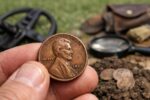
Collectors often share stories of finding Wheat Pennies unexpectedly, sparking lifelong interest in numismatics. It proves that history is not confined to museums—it can be found in everyday life.
Value Beyond Money
While some Wheat Pennies are worth significant sums, their true value lies in the stories they tell. They connect generations, inspire curiosity, and preserve history in tangible form. For many collectors, the sentimental worth far outweighs the monetary.
Passing down a Wheat Penny collection can be a family tradition, linking children and grandchildren to the past. It is a way of keeping history alive through something as small yet powerful as a coin.
Conclusion
Wheat Pennies are timeless treasures, still capable of surprising us in pocket change. They embody history, artistry, and the thrill of discovery. Whether you are a seasoned collector or a curious beginner, these coins offer a gateway into America’s past.

The next time you check your change, take a closer look. You might just find a Wheat Penny—a small piece of history waiting to be rediscovered.