
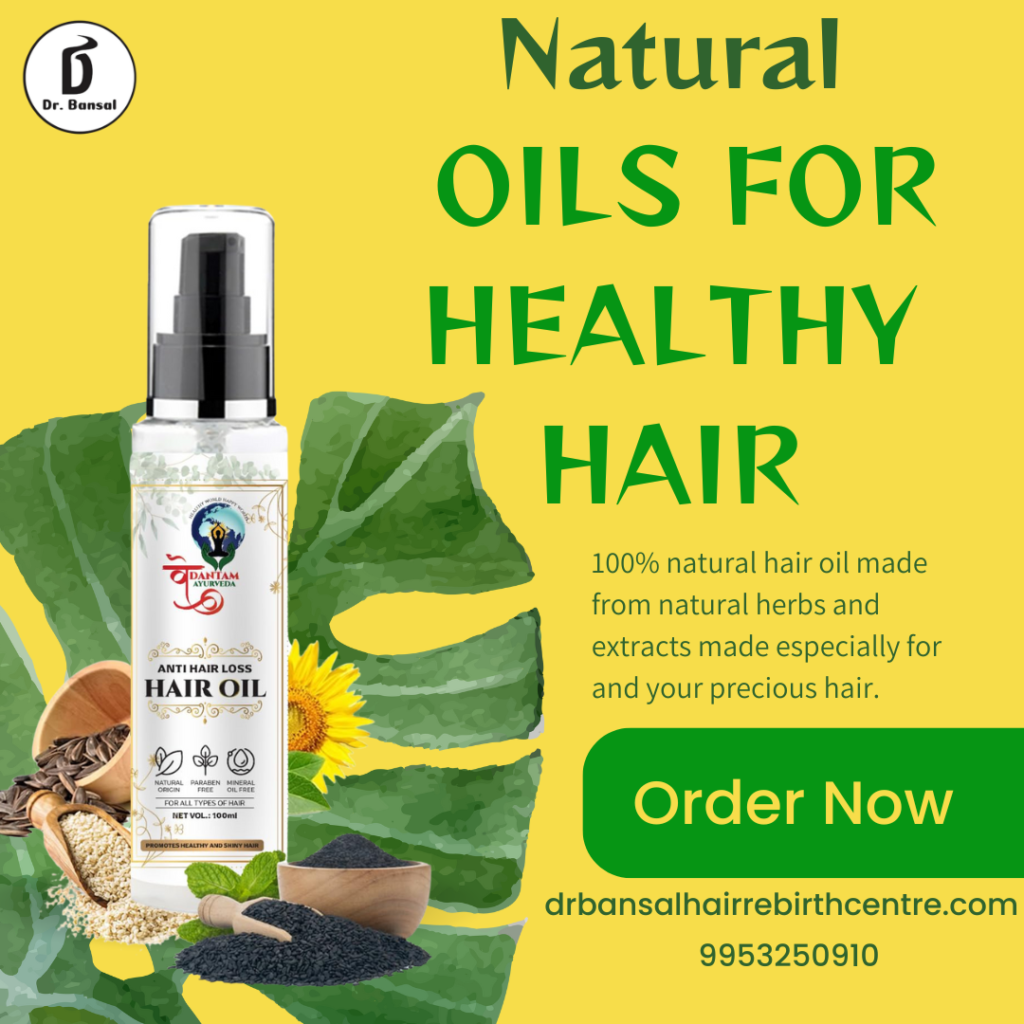
Best Natural Oils for Healthy Hair
Are you dreaming of long, shiny, healthy hair — strong from root to tip, with minimal hair-fall, reduced breakage, and visible shine? Natural oils can be your secret weapon. Our ancestors knew this: before chemical shampoos and serums took over, it was oils — cold-pressed, herbal, and natural — that helped maintain hair health. Today, modern science confirms many of these benefits. Here’s a deep dive into the best natural oils you can use for healthy hair, and how to use them effectively.
Thank you for reading this post, don't forget to subscribe!The Benefits of Natural Hair Oils
A mild, nourishing method of hair treatment is provided by natural oils:
They provide vital fatty acids, vitamins, and antioxidants—nutrients that support the health of the scalp and hair strands.
The Indian Times +2
India Today +2
They aid in retaining moisture, preventing protein loss, and shielding hair from heat, injury, and environmental stressors.
India Today +2
India Today +2
Frequent oiling nourishes follicles, increases scalp circulation, and can either promote hair growth or decrease hair loss.
The Indian Times +2
NDTV India +2
Many natural oils avoid the harsh chemicals frequently found in commercial hair products and are gentle enough to be used on delicate scalps.
Natural oils continue to be a mainstay of haircare in conventional treatments like those provided at Dr. Bansal Hair Rebirth Centre, which is understandable given these advantages.
The Best Natural Oils for Healthy Hair
These are a few of the best natural oils, each having special qualities. You can select one or a combination of them based on your hair type, scalp condition, and hair goals (growth, shine, thickness, and scalp health).
1. The All-Rounder Classic: Coconut Oil
Why it’s fantastic Medium-chain fatty acids, which are abundant in coconut oil, thoroughly permeate the hair shaft to help stop protein loss and lessen breakage. It hydrates hair and serves as a barrier against heat and environmental damage.
India Today +2
India Today +2
Ideal for: Nearly all hair types, but particularly frizzy, dry, or damaged hair. Excellent for those who have dull or broken hair.
How to use: Gently massage a little amount of heated coconut oil into your scalp and hair. For extra hydration, use as a leave-in after washing or as a pre-shampoo treatment.
India Today +1
Advice: Moderation is crucial if you have an oily or sensitive scalp.
2. Argan Oil: The “Liquid Gold” of Smoothness and Shine
Why it’s fantastic Antioxidants, vital fatty acids, and vitamin E are all abundant in argan oil. It increases strength, tames frizz, hydrates and softens hair, and enhances manageability and gloss. Particularly helpful for hair that is frizzy or coarse.
NDTV Shopping +2
The Indian Times +2
Ideal for: Hair that is dry, lifeless, or prone to frizz. Additionally helpful if you frequently style your hair or expose it to heat.
How to use: After washing, apply a few drops to damp hair or combine a little amount with your conditioner. It also works well as a mild leave-in serum.
India Today +1
Advice: Because argan oil is light, it rarely causes greasy hair, making it suitable for frequent use.
3. Castor Oil — To Promote Growth & Scalp Health
Why it’s fantastic Ricinoleic acid and omega-6 fatty acids found in castor oil help support healthy hair follicles, nourish the scalp, and lessen irritation. Over time, it can promote hair growth and lessen hair loss.
The Indian Times +2
ayukarma.com +2
Ideal for: Those who have slow hair development, dry scalps, or thinning hair.
Use it by massaging it into your scalp after a little warming. You can leave it on overnight and wash it off the following morning. Because castor oil can be thick and heavy, many people choose to blend it with a lighter oil, such as coconut or argan.
India Today +1
Advice: Castor oil can weigh down fine hair if used alone due to its thickness; combining helps counteract this.
4. Ayurvedic Powerhouse: Amla Oil (Indian Gooseberry Oil)
Why it’s fantastic The Indian gooseberry is the source of amla oil, which is high in phytonutrients and vitamin C. It strengthens hair, fights oxidative stress, nourishes hair roots, and may help delay premature greying.
India Today +2
NDTV India +2
Ideal for: Those who want thick hair, robust roots, and to avoid dullness or early greying.
Use: Apply a massage to the scalp and hair, let it sit for one to two hours, and then rinse it out. Hair strength and scalp health are maintained with regular weekly use.
5. Olive Oil: A Mild Scalp Conditioner and Nourisher
Why it’s great: Olive oil provides vitamins and vital fatty acids that condition hair, moisturise the scalp, and promote the health of hair in general. It can help manage hair by softening it.
India’s NDTV
+1.
Ideal for: Individuals looking for a mild, weekly conditioning treatment, or those with brittle hair or a dry scalp.
Use: Gently warm, rub into the scalp and lengths, let it sit for 30 to 60 minutes, and then wash. It could be applied as a deep-conditioning or pre-wash oil.
India’s NDTV
+1.
Advice: If your scalp is naturally oily, don’t leave it on for too long because olive oil is heavier than other oils.
6. Jojoba Oil: Ideal for Light Moisture & Scalp Balance
Why it’s fantastic Jojoba oil is great for balancing oil production since it closely matches natural scalp sebum. Without making hair oily or heavy, it nourishes hair follicles, lessens dryness, and encourages healthy development.
The Times of India +
Ideal for: Individuals who find heavier oils excessively greasy or who have an oily or mixed scalp.
How to use: For a well-rounded treatment, apply a few drops to the scalp or combine with other lighter oils.
7. Warming Oil for Robust Roots: Sesame Oil (Especially in Cold Weather)
Why it’s great: Sesame oil provides grounding and warming, according to Ayurvedic traditions. It strengthens roots and deeply nourishes hair, which is advantageous in the winter and for those with dry or brittle hair.
NDTV India +
Ideal for: Dry scalp and hair, dry hair during certain seasons, or anyone whose hair need intense hydration during cold or dry weather.
Use it once a week or every two weeks. Warm slightly and massage into the scalp and hair.
How to Create a Successful Hair-Oil Programme
Effective use of natural oils involves not only choosing the right oil but also applying it frequently and in the right way. For healthy hair, use this easy and efficient routine:
Weekly Pre-Shampoo Treatment: Warm your preferred oil (such as coconut, castor, or olive) and gently massage it into your scalp and hair once a week. Set aside for 30 to 1 hour (or overnight if your hair is thick or dry), and then shampoo as normal. This keeps hair hydrated and provides deep nourishment.
Leave-In Oils (Light Oils Only): To seal in moisture and control frizz, apply a few drops of lighter oils, like jojoba or argan, to damp hair after washing.
Scalp Massage: Use your fingertips to massage oil into your scalp for five to seven minutes. This will increase blood flow, stimulate hair follicles, and aid in the absorption of nutrients.
Combining Oils for Added Benefit: One oil might not always be able to meet all of your hair’s demands. For instance, combining a lighter oil (like argan) with a heavy, nourishing oil (like castor) strikes a balance between manageability and nourishment.
Natural oils take time to function, therefore consistency is essential. Stronger hair, less breakage, and better growth are results that come with consistent use over weeks or months rather than all at once.
Depending on your hair and scalp needs, choose lighter oils (jojoba, argan) if your scalp is oily. Sesame, castor, and coconut oils are thicker and could work better for dry or curly hair.
Why Natural Oils Matter — Especially If You Have Hair-Fall or Alopecia
At Dr. Bansal Hair Rebirth Centre, we treat major hair problems like alopecia, hair thinning, breakage, and hair-fall. Although sophisticated treatments are frequently required for these conditions, adding natural oils to your haircare regimen has a number of additional advantages:
Oils nourish the scalp, increase circulation, and create a healthier environment for hair-follicles – a vital supportive step throughout therapy.
They aid in minimising breakage and damage to the hair shaft, which is frequently a significant problem when hair is brittle or grows back after treatment.
Even in cases where regeneration is slow, they promote smoother, shinier hair, increase hair elasticity, and restore moisture.
They provide a mild, chemical-free method of hair care that lessens any irritation or imbalance that harsh products may create.
Therefore, natural oils are a safe, efficient supportive routine to optimise hair health and outcomes, even though skilled clinical treatment is still essential.
A Brief Guide to Which Oils Are Best for Which Hair Issues
Concern/Need for Hair Why Use the Best Natural Oils
Dullness, frizz, and dry hair Argan, Olive, and Coconut Deep hydration, luster, and damage resistance.
Slow growth, thinning, and hair loss Amla, castor, and sesame strengthen roots, promote follicles, and nourish the scalp.
Combination or oily scalp Light Argan and Jojoba Light oils that don’t weigh hair down or clog pores.
Breakage and split ends Castor, Argan, and Coconut (mixed) reduction of damage, sealing of the hair shaft, and deep feeding.
Dryness or dandruff on the scalp Castor, Coconut, and Olive relieves inflammation, minimises flaking, and moisturises the scalp.
Considerations for Selecting the Correct Oil
Think about your hair objectives and the type of hair and scalp you have when choosing an oil. This is a brief checklist:
Dry scalps have heavier oils, while oily scalps have lower oils.
Hair texture: Thick/Coarse/Curly — heavier oils; fine/smooth — light oils.
Concerns about hair: split ends → protective oils; frizz/brittleness → moisturising oils; hair loss/thinning → growth-stimulating oils.
Convenience and frequency: Using lighter oils is simpler if you wash your hair frequently; Heavy oils work nicely once a week if you like deep treatments.
Comfort and sensitivity of the scalp: Always patch-test; if the scalp is prone to irritation, certain oils may cause sensitivity.
Advice on the Use and Quality of Oil
Pure, cold-pressed oils are preferred because they better retain nutrients than highly processed ones.
Before applying, warm the oil a little bit since it absorbs more readily and promotes deeper nourishment.
Avoid overusing; much oil can produce buildup or weigh down hair, especially on an oily scalp.
Consider oil masks for severely damaged hair; mix oil and herbs (such as those found in Ayurvedic hair oils), let it sit for a few hours, and then wash.
Treat oiling as a routine rather than a one-time solution because consistency counts.
Why Natural Oils Are Supported by Dr. Bansal Hair Rebirth Centre
We at Dr. Bansal Hair Rebirth Centre in Ghaziabad are proponents of fusing traditional natural knowledge with cutting-edge science. We provide cutting-edge treatments for alopecia and other serious hair issues, but we also understand the need of basic hair care, which includes strengthening hair, nourishing the scalp, and halting additional damage.
For this, natural oils are perfect. They work well but are mild. Under professional supervision, when incorporated into a routine, they can:
Boost the condition of your hair follicles and scalp.
Minimise damage to the hair shaft and breaking.
Even as hair grows back, add manageability, gloss, and moisture.
Provide a sustainable, chemical-free hair care method that adheres to Ayurvedic, holistic principles.
In addition to following medical or therapy guidelines, we frequently advise patients at our facility to follow an oiling regimen specific to their scalp and hair type.
An Example of a Weekly Oil-Based Hair Care Routine
The following is a basic at-home regimen for nourished, healthy hair:
Sunday (or once a week): Warm 2–3 tablespoons of coconut oil (or a mix of coconut + castor) — gently massage into scalp and hair, leave for 1 hour (or overnight for deeper nourishment). Cleanse and moisturise.
Midweek (optional): To add shine and control frizz, dab a few drops of argan oil onto damp hair after washing.
Every two to three weeks, massage with sesame or olive oil, let sit for forty-five to sixty minutes, and then wash. Excellent for moisturising the scalp.
Use amla oil or castor oil once a month to treat hair loss or thinning. Massage the scalp for five to seven minutes, then let it for one to two hours (or overnight), and then gently wash it.
Regular use over two to three months can result in observable improvements in hair strength, softness, and lustre as well as, frequently, hair density and scalp health.
Be Wary and Know What to Expect
Natural oils are not “hair-growth pills” that work like magic. They promote healthy hair, but how well they work depends on a number of variables, including diet, hormonal balance, and general scalp health.
Prior to applying widely, conduct a patch test if you have scalp issues such as sensitivity, eczema, or dandruff.
Excessive oiling can result in accumulation or oily hair, particularly if shampoo is neglected. Oiling and appropriate cleaning should be balanced.
Natural oils might not be enough for severe hair issues (such as alopecia, patchy hair loss, or medical scalp diseases). They function best when used as a helpful addition to appropriate care.
Natural oils are tried-and-true, efficient methods for promoting hair health, not just “home remedies.” Every oil, from traditional mainstays like coconut and olive to Ayurvedic treasures like amla and castor, has special advantages. You may revitalise dull, brittle hair by nourishing strands from root to tip, enhancing scalp health, decreasing breakage, increasing shine, and promoting hair development with the correct selection, regular practice, and patience.
At Dr. Bansal Hair Rebirth Centre, we advise anyone dealing with hair loss or other hair-related problems to combine expert treatment with natural hair care practices. The greatest long-lasting, healthful outcomes are frequently obtained with this well-rounded strategy, which is based on both science and tradition.
Get in touch with us if you’re prepared to start down the path to healthier hair:
Phone number for Dr. Bansal Hair Rebirth Centre: +91-9953250910
Address: Raj Nagar, Ghaziabad, Uttar Pradesh 201002; MZ, 07/08, SUMEDHA TOWER, RDC, Block 1, P & T Colony
Together, we can revitalise your hair in a natural, gentle, and efficient manner.