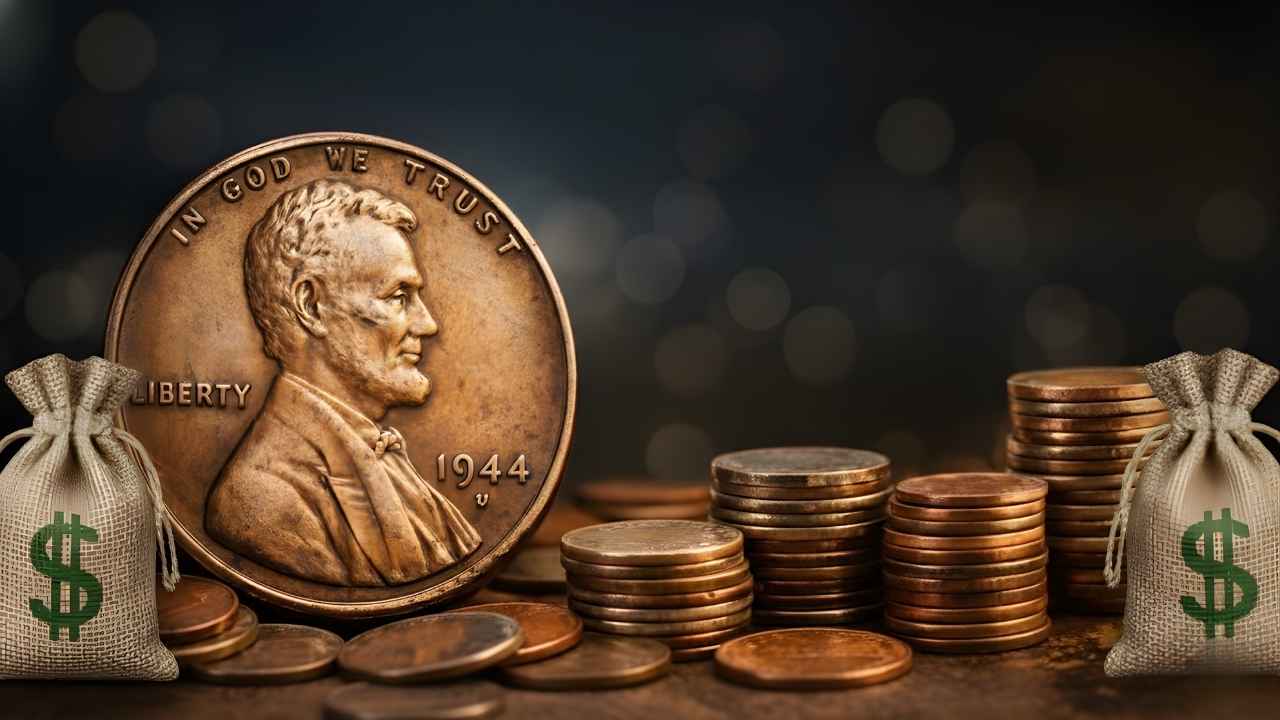
Lincoln Penny Value Chart 2026: The Lincoln Penny is one of the most collected coins in American history. First introduced in 1909 to honor President Abraham Lincoln, it has remained in circulation for more than a century. Over the years, different mint marks, rare varieties, and historical changes have made certain Lincoln Pennies worth far more than their face value. As of 2026, collectors continue to seek out these treasures, with values ranging from modest sums to extraordinary auction records. This guide provides a detailed chart of Lincoln Penny values by year and mint mark, along with insights into grading, errors, and modern market trends.
The History of the Lincoln Penny
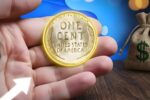
The Lincoln Penny was designed by Victor David Brenner and introduced in 1909. It was the first American coin to feature a real person rather than a symbolic figure. The reverse originally displayed two wheat stalks, giving rise to the term “Wheat Penny.” In 1959, the reverse design was changed to the Lincoln Memorial, and in 2010 it was updated again to depict the Union Shield. Each design era has produced rare varieties and minting errors that fascinate collectors.
Mint Marks and Their Importance
Mint marks are small letters on coins that indicate where they were produced. For Lincoln Pennies, the most common mint marks are:
- P for Philadelphia
- D for Denver
- S for San Francisco
Mint marks can significantly affect value, especially when combined with rare errors or limited production runs.
Table of Mint Marks and Values
| Mint Mark | Type | Approximate Value |
|---|---|---|
| P | Philadelphia circulation strike | $0.01 – $5 |
| D | Denver circulation strike | $0.01 – $10 |
| S | San Francisco proof strike | $5 – $50 |
| S (error) | San Francisco proof with unique error | $5,000+ |
While most mint marks represent modest values, rare proof errors can elevate coins into the thousands.
Rare Errors That Stun Collectors
Errors are among the most exciting aspects of coin collecting, and the Lincoln Penny has produced some of the most famous errors in numismatic history.
Table of Famous Lincoln Penny Errors
| Error Type | Description | Notable Value |
|---|---|---|
| 1955 Double Die | Dramatic doubling on obverse | $150,000+ |
| 1969 S Double Die | Bold doubling visible to naked eye | $450,000+ |
| 1943 Copper Penny | Wrong planchet, copper instead of steel | $250,000+ |
| 1922 No D Penny | Missing mint mark from Denver | $75,000+ |
These errors are rare and highly sought after, often commanding six-figure prices at auction.
Collector Grading Guide
Grading is one of the most important factors in determining a coin’s value. Professional grading services evaluate coins on a scale from Poor (P-1) to Mint State (MS-70). Proof coins receive special designations such as PF-65 or PF-70.
Table of Grades and Values
| Grade | Description | Approximate Value |
|---|---|---|
| VG-8 | Very Good | $5 – $50 |
| F-12 | Fine | $10 – $100 |
| VF-20 | Very Fine | $25 – $250 |
| EF-40 | Extremely Fine | $50 – $500 |
| AU-50 | About Uncirculated | $100 – $1,000 |
| MS-63 | Mint State | $250 – $5,000 |
| MS-65 | Gem Mint State | $500 – $10,000+ |
High-grade coins, especially those with rare errors, can fetch extraordinary prices.
Year by Year Value Chart
The following chart provides a general overview of Lincoln Penny values by year and mint mark. Values vary depending on condition, rarity, and demand.
Table of Lincoln Penny Values by Year
| Year | Mint Mark | Common Value | Rare Varieties |
|---|---|---|---|
| 1909 | VDB | $20 – $500 | $1,000+ |
| 1914 | D | $50 – $2,000 | $10,000+ |
| 1922 | No D | $500 – $5,000 | $75,000+ |
| 1943 | Copper | $50,000+ | $250,000+ |
| 1955 | Double Die | $10,000+ | $150,000+ |
| 1969 | S Double Die | $50,000+ | $450,000+ |
| 1972 | Double Die | $500 – $2,000 | $10,000+ |
| 1982 | Small Date Copper | $50 – $500 | $5,000+ |
| 2009 | Bicentennial Varieties | $1 – $50 | $500+ |
This chart highlights some of the most valuable Lincoln Pennies, though many other years and mint marks hold collector interest.
Market Trends in 2026
As of 2026, the Lincoln Penny market remains strong. Collectors continue to seek out rare errors and high-grade examples. Auction houses report consistent demand, with younger collectors entering the market and driving interest in both classic Wheat Pennies and modern varieties. Online marketplaces also play a significant role, making rare coins more accessible to a global audience.
Comparison With Other Modern Coins
The Lincoln Penny is often compared with other modern coins that feature rare errors.
| Coin | Error Type | Notable Value |
|---|---|---|
| 1975 No S Roosevelt Dime | Missing Mint Mark | $480,000 |
| 1982 No Mint Mark Dime | Missing Mint Mark | $25,000 |
| 2000 Sacagawea Dollar Mule | Wrong Pairing | $250,000 |
| 1969 S Double Die Penny | Dramatic Doubling | $450,000 |
This comparison shows that the Lincoln Penny stands among the most valuable coins in American history.
Cultural Impact
The Lincoln Penny has had a significant cultural impact. It honors one of America’s greatest presidents and represents more than a century of history. Its errors and rare varieties have captured the imagination of collectors, making it a symbol of both heritage and chance.
The Psychology of Collecting
Collectors are motivated by rarity, history, and the thrill of discovery. The Lincoln Penny embodies all three. Its fame ensures that demand will remain strong for generations, making it a centerpiece in collections and a dream for aspiring numismatists.
Conclusion
The Lincoln Penny is more than a coin; it is a phenomenon. From its introduction in 1909 to its legendary errors and mint mark varieties, it has captivated collectors and stunned experts. As of 2026, rare Lincoln Pennies continue to break records, with cumulative market activity rumored to exceed billions. For those fortunate enough to own one, the Lincoln Penny is not just currency—it is a masterpiece of history, culture, and chance that continues to inspire awe.